

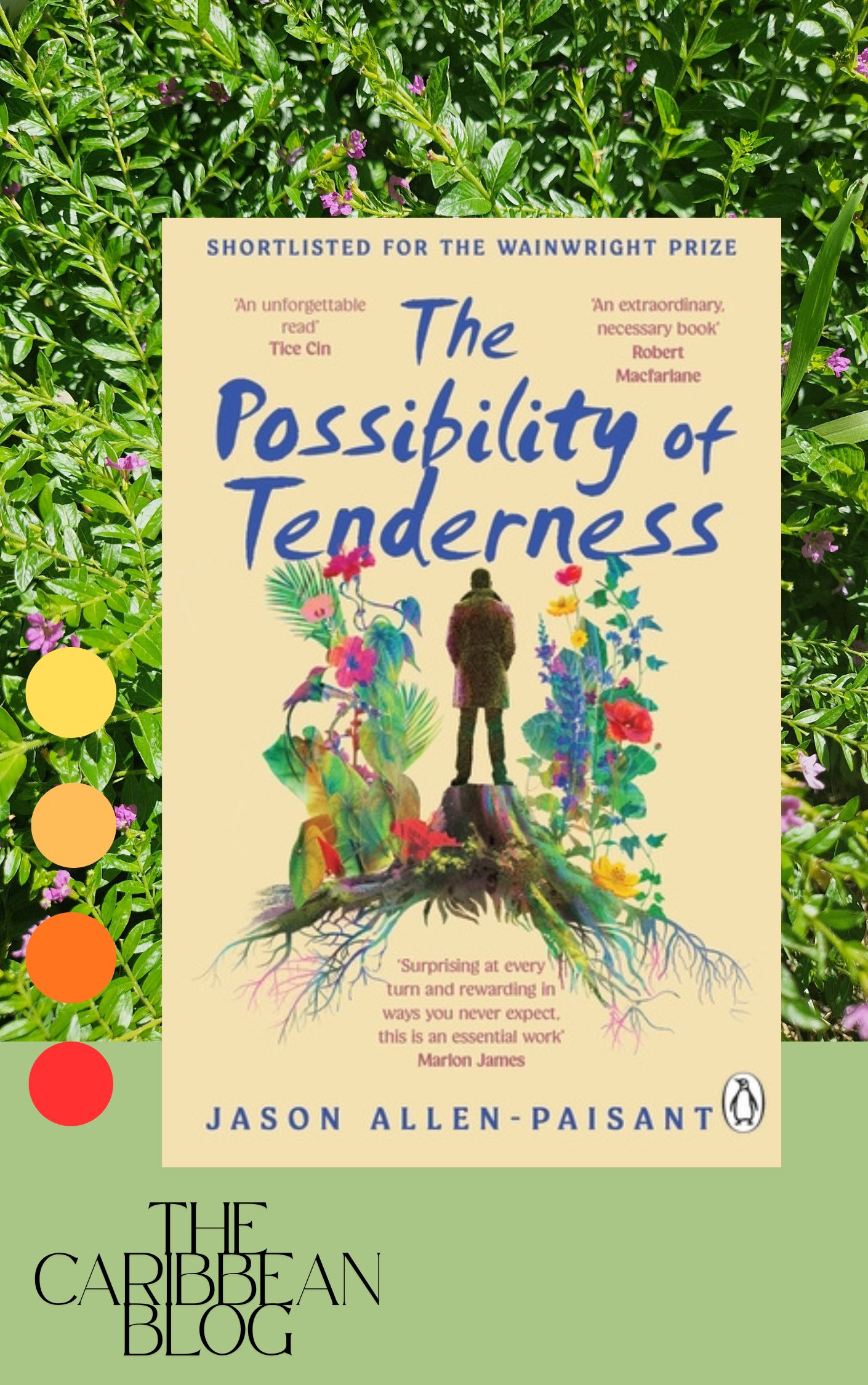
Every section I finished I had to reflect and write down my thoughts because there was so much to think about after every page. This is a deep dive into our main character Xuela thoughts and desires as she lives a average life in Dominica. This book is a journey exploring childhood, womanhood, and pain/love. Reflecting on how this all comes together in Xuela in a unique blend.
What was key to me that Kincaid was trying to get the us to understand is that society, legacy and personal community creates possibilities and limitations for many women. The main character, Xuela is born in a society of post-enslavement and colonisation, mother died in child-birth and part of the Indigenous community of Dominica, and her father dismisses her and has a skeleton love for her. Xuela is forged by society, legacy, and personal community of love, pain and trauma. This is strongly conveyed by Kincaid’s writing which invokes heaviness, strength, and inspiration. This is why Xuela had a complicated connection between love and hate. All she felt like she could do was love herself endlessly and don’t put too much of a fight up to others in her society who are also a product of this forging and pain/love.
The main focus is the internal thoughts and evolution of Xuela. Starting as a little girl navigating a stranger’s house and lack of a near-by father. Following her journey where she is placed in a wealthy household as the ‘maid’ but it was more complicated than a job. Exploring her sexuality and emotionally supporting the wife of the house who is dealing with loss and barrenness. This is a journey surrounded by the loss and unknown figure of her mother. Who she clearly is connected to, but has no physical connection as she see parts of her mother revealed in her dreams but never sees her fully. The gap between herself and her mother is never filled or fulfilled. This is strongly conveyed by Kincaid as there is lack in Xuela which is why she does not fight back or try to push her life a certain direction. Flowing with the fruits of life rather than hunting for anything. In my opinion, Xuela is this way because of the hole her mother left in her life and even in her dreams she did not get to see her mother.
Another main themes of this book is Dominican society/Caribbean society. The legacy of colonisation, the wealth gap, and the culture of this island is shunned as less than when in the face of Englishness. Moments of reflection through Xuela reveal these intruding realities that shape her everyday life. An example of this is when her she lives with her father and step-mother, the step-mother speaks in English in front of the father but when it is only her and Xuela she speaks French Patois. Xuela reflects and notices that this an attempt to other her within the home.
I recognized this to be an attempt on her part to make an illegitimate of me, to associate me with the made-up language of people regarded as not real – the shadow people, the forever humiliated the forever low” 30-31pg.
This is a surface level subtly but powerful. This dynamic is a reflection of the wider Caribbean society. The attempt to make the wider population that lives the furthest from European ways to be less than and not recognisable. The more European leaning people were better than anyone ‘without question’.
This book brings a raw perspective to my ideas about the Caribbean. A emotional feel and perspective to Caribbean literature and my own perspective. The daily life and journey of a average Black woman growing up and living in Dominica. Such a honest look at life. The internal workings of understanding pain and love. It did hit on a theme , which I am researching, healing/medicine practices and Obeah practices in the Caribbean. This book further confirms the rich knowledge and reliance on medicine from a local Caribbean source. The continued practice, in this story, of Obeah even when made illegal and deemed as “barbaric”. The wide use of it was continuing from all circles of society.
The first hint of Obeah/harmful spiritual practices is when Xuela’s stepmother gifts her with a necklace. She did not trust this gift and put it on the dog. The dog went manic for 24 hours and died. Neither of them spoke about this attempt of a attack. This I find interesting as there is a under current of understanding that these practices are not spoken of but everyone has the knowledge of it existing. The use of it by her stepmother is interesting as she is deemed as a ‘respectable’ wife of a officer. She has access and knowledge of these type of practices. This tells me that all ‘levels’ of society have the ability to seek out these practices which come from the enslaved population and carries on through their descendants.
There are various mentions of plants that do certain things for Xuela including stopping a bleeding wound, and cleaning herself out from her abortion. But the most interesting scene in this book which involves Obeah practices was when her brother was very ill.
“Inside that yellow house with the brown windows, my father’s son was lying on a bed of clean rags that was on the floor. They were special rags; they had been perfumed with oils rendered from things vegetable and animal. It was to protect him from evil spirits. He was on the floor so that the spirits could not get to him from underneath. His mother believed in obeah. His father held the beliefs of the people who had subjugated him. He was not dead; he was not alive” 108pg.
An interesting passage. The various beliefs and practices that are described here shows me the important role Obeah has in Caribbean society. Not a positive influence, however the position of a practitioner and the practice itself has been a source of agency for the enslaved people and for those who felt out of power (women). This continuing is evident. I know this is fiction, but the inclusion of this scene by the author tells me that this is a element of Caribbean society that is needed to be included to show the whole picture of pain and love of the Caribbean. The conflicting opinions of how to deal with their son is a portrayal of the Caribbean as Christianity and Obeah practices come head to head in this room as well as in Caribbean society and in it’s history.
I highly recommend and excited to explore more of Jamaica Kincaid’s works. A definite must read for ALL READERS.



Leave a Reply